5 Things That Can Delay Your Laneway Home Permit in Burnaby and How to Avoid Them
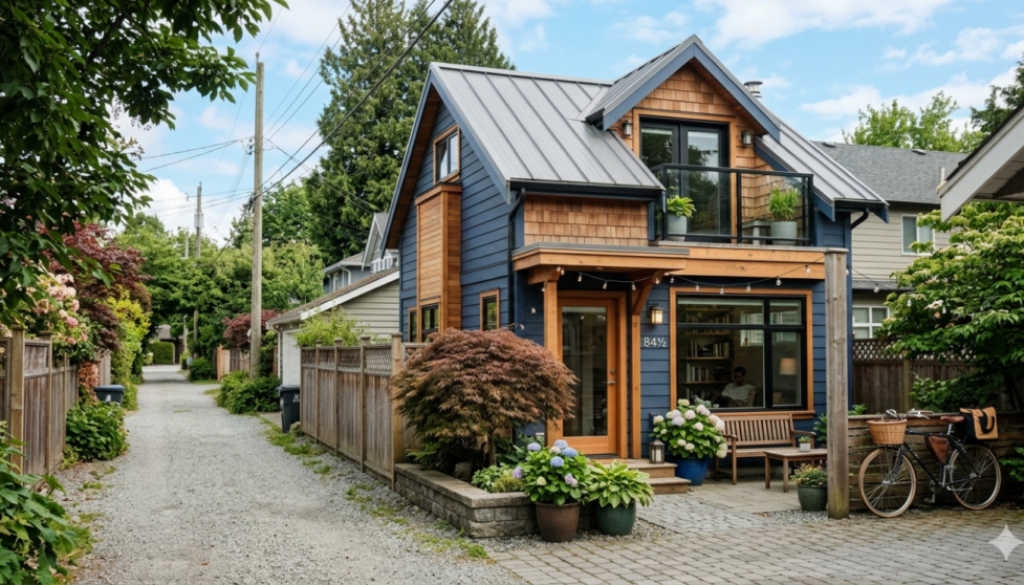
Starting a laneway home project in Burnaby is an exciting step for many homeowners. Whether the goal is rental income, multigenerational living, or long-term property value, the opportunity is clear. Across areas like Metrotown, Brentwood, Burnaby Heights, Willingdon Heights, Deer Lake, and Lougheed, laneway homes have become one of the most practical ways to maximize residential land use.
Over 40 years of experience, Abstract Homes and Renovations helps homeowners across Burnaby to navigate laneway home design, permits, and approvals with a structured and informed approach. Our process focuses on identifying potential permit challenges early so projects can move forward with fewer delays and greater clarity.
Considering a new project for your home?
Whether it’s a renovation or a brand-new build, get expert advice from a team that has crafted award-winning homes across Vancouver.
When Excitement Meets the Reality of Laneway Home Permit in Burnaby
For many homeowners, the laneway home process starts with inspiration. Ideas take shape quickly, and early planning often feels straightforward. But once the permits and approvals stage begins, the process can feel very different.
What many people don’t anticipate is how small gaps in preparation can lead to significant delays. A missing detail, an incomplete report, or a misunderstanding of requirements can pause the entire review process. In Burnaby, where laneway homes must meet specific zoning and servicing rules, these delays are more common than most homeowners expect.
The good news is that most of these issues are preventable with the right planning and guidance before submitting your laneway home permit in Burnaby.
1. Incomplete or Outdated Site Information
One of the most common causes of permit delays begins long before the design stage with the site survey. A laneway home design depends entirely on accurate property information. When surveys are outdated or missing key details, the entire application can be paused while corrections are requested. Even small inaccuracies in measurements or boundaries can impact setbacks, placement, and overall design feasibility.
This is why our team at Abstract Homes and Renovations emphasizes starting with complete and current site data before any design work begins. In many cases, early review of site conditions helps identify constraints that would otherwise surface much later in the approval process.
A clear and accurate foundation at the start helps prevent unnecessary revisions after submission.
2. Misalignment with Burnaby Zoning and Lot Requirements
Burnaby’s zoning rules for laneway homes are detailed and vary depending on lot size, configuration, and neighbourhood context. Areas like Burnaby Heights or Brentwood may have different considerations than properties near Deer Lake or Lougheed, even within the same general zoning category.
Delays often occur when a design is developed based on assumptions rather than confirmed zoning interpretation. Setbacks, height limits and lot coverage rules must all align precisely with municipal requirements.
This is where early planning makes a significant difference. Confirming zoning conditions before finalizing design direction helps ensure the project remains compliant from the start, rather than requiring redesign after submission.
At Abstract Homes and Renovations, zoning review is treated as a critical early step in the laneway home process, helping homeowners avoid costly revisions later.
3. Incomplete or Inconsistent Permit Documentation
A laneway home permit application is not a single submission but a coordinated package of architectural drawings, engineering reports, energy compliance documentation, and municipal forms.
Delays often happen when these documents do not align perfectly. Even small inconsistencies in dimensions, materials, or calculations can cause the city to pause the review process until corrections are made.
This is one of the most avoidable issues, yet it is also one of the most common. When multiple professionals are involved in a project, coordination becomes essential to ensure that every document tells the same version of the project story.
A structured review process before submission helps ensure consistency across all drawings and reports, reducing the likelihood of back-and-forth revisions during approval.
4. Overlooking Neighbour Notification Requirements
In some laneway home applications, Burnaby requires a formal notification process to inform neighbouring property owners about the proposed development. While this does not necessarily stop a project, it does introduce a defined timeline that must be accounted for in scheduling.
Delays often happen when homeowners are unaware of this step and build unrealistic timelines for construction start dates. When notification periods are introduced mid-process, they can shift project expectations significantly.
Understanding whether a property falls under notification requirements early in the planning stage helps set realistic timelines and avoids unexpected scheduling disruptions.
Thoughtful design also plays a role here, as laneway homes that respect neighbourhood context tend to move through this stage more smoothly.
5. Utility Servicing Challenges That Are Not Addressed Early
Utility servicing is one of the most frequently underestimated parts of the laneway home process in Burnaby. Water, sewer, electrical, and gas connections all need to support the additional dwelling, and in some cases, upgrades or extensions are required.
Delays occur when these requirements are only discovered after permit approval or late in the process. Utility providers operate on separate timelines from the City, which means servicing issues can continue even when permits are ready.
Starting utility discussions early helps prevent these bottlenecks. Understanding existing capacity and potential upgrade requirements during the planning stage allows for better coordination between design, permitting, and infrastructure needs.
At Abstract Homes and Renovations, utility coordination is integrated into the early planning process to help ensure smoother project execution from approval to construction.
How the Right Process Reduces Permit Delays?
Most laneway home permit delays in Burnaby are not caused by unexpected issues but by missing preparation at the beginning of the process. Each stage, from site review to utility planning, builds on the one before it.
We at Abstract Homes and Renovations helps homeowners navigate these steps in a structured way, reducing uncertainty and improving overall project efficiency. Our approach focuses on identifying potential challenges early so the approval process remains as smooth as possible. For homeowners in Metrotown, Brentwood, Burnaby Heights, Willingdon Heights, Deer Lake, Lougheed, and surrounding areas, this early clarity can make a significant difference in both timelines and overall project confidence.
Abstract Homes and Renovations to Start Your Laneway Home in Burnaby with Confidence
Understanding zoning, documentation requirements, site conditions and servicing needs before submission helps reduce delays and avoid unnecessary revisions. With our right preparation and experienced guidance, the permit process becomes more predictable and manageable.
Looking to build a laneway home in Burnaby? Contact us here to discuss permits, approvals, and full project planning tailored to your property and goals.